Quick Answer
Curtain wall mullions manufacturer India programmes use Railings India for aluminium mullion and transom extrusions, pressure plates, caps and bracket interfaces on commercial towers -- stick-built site assembly or factory unitised panels per project specification. Fabrication is coordinated from our Hyderabad production facility with nationwide dispatch. Related: aluminium doors and windows, curtain wall mullions.
Product Overview
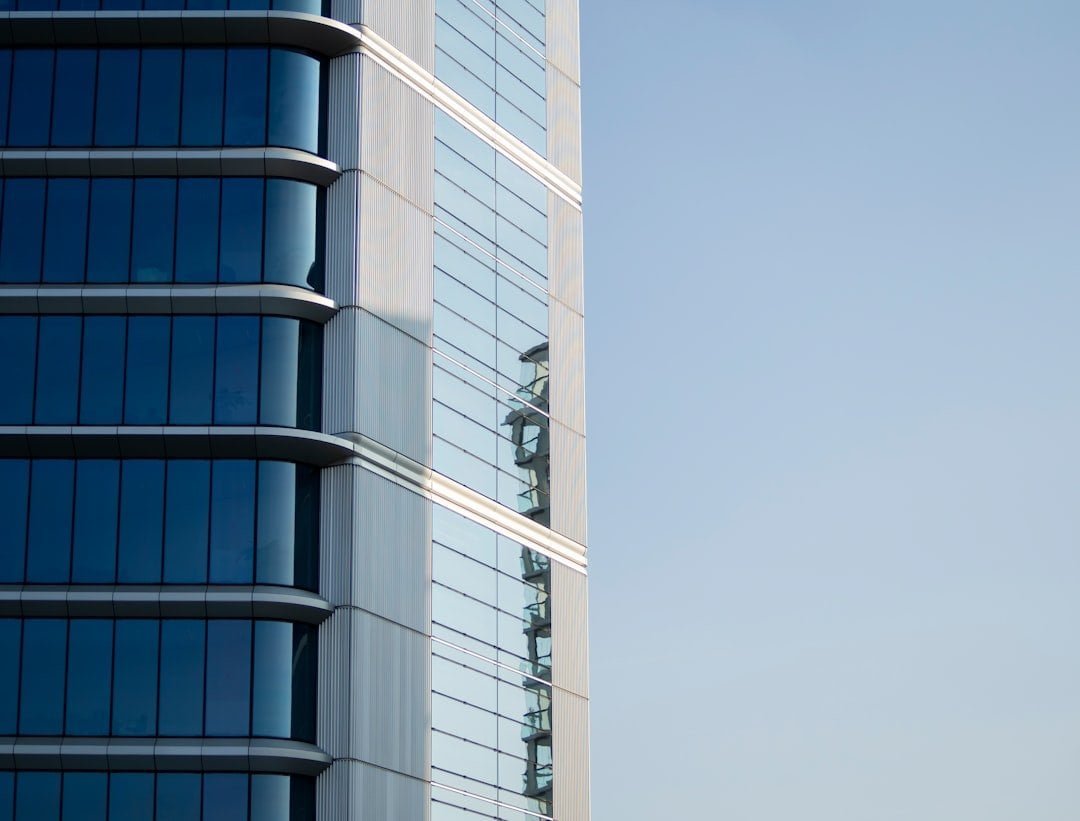
Railings India supplies curtain wall mullion packages from our Hyderabad production facility for facade contractors, developers and PMC teams on commercial towers, IT parks and hospitality shells across India.
Mullion scope is facade-primary -- distinct from aluminium glass railing system balustrades and aluminium shop frames retail fronts, though extrusion grades may align on mixed packages.
Doors and windows context: aluminium doors and windows. Shop fronts: aluminium shop frames. manufacturer credentials.
Applications
Curtain wall mullion supply aligns to facade typologies on commercial programmes:
- Office towers -- stick-built grids on repeat floor modules.
- IT park facades -- standardized mullion sections across campus blocks.
- Hotel and hospitality shells -- unitised panels for programme speed.
- Retail podium facades -- glazed wall interfaces with shop front transitions.
- Mixed-use developments -- tower CW with podium ${L.shop} coordination.
- Institutional campuses -- admin block facades with project glass schedules.
System Variants
Curtain wall families supplied from Hyderabad:
Mullions erected on site; infill glass installed per sequence.
Factory-assembled units dispatched to floor or block programme.
Mechanical retention with exterior caps.
Silicone structurally glazed zones where specification allows.
Horizontal members sized to floor-to-floor module.
Brackets coordinated to slab edge embed schedule.
Materials
Facade materials confirmed against wind and deflection criteria on project drawings:
- Aluminium mullions -- 6063-T5/T6 extrusions cut and machined to schedule.
- Pressure plates and caps -- matched extrusion finish and colour.
- Gaskets and thermal breaks -- per system detail and consultant specification.
- Glass infill -- scheduled by facade consultant; processed to project sizes.
Technical Specifications
Project-specific values are confirmed on approved shop drawings -- not fixed catalogue SKUs.
| Material | Grade | Finish | Fixing Method | Application | Environment | Maintenance | Compliance |
|---|---|---|---|---|---|---|---|
| Stick-built mullion | 6063-T5/T6 | Powder coat / anodise | Slab bracket anchor | Tower facades | Exterior full exposure | Facade maintenance programme | IS 875 project-specific; consultant deflection criteria |
| Unitised panel | 6063 extrusion frame | Factory powder coat | Panel hook / bracket | Fast-track towers | Exterior | Panel replacement per O and M | Project CW test requirements |
| Podium CW zone | 6063 mullion | RAL powder coat | Embed / bracket | Retail podium | Exterior ground level | Wash per facade schedule | Consultant structural approval |
Manufacturing Process
Mullion fabrication at Hyderabad follows approved facade shop drawings:
- Drawing lock -- grid module, bracket centres and infill sizes approved.
- Extrusion cut and machine -- mullions and transoms to length and slot schedule.
- Assembly -- unitised panels built in factory where scope includes units.
- QC and labeling -- members tagged to floor/wing dispatch.
- Phased dispatch -- aligned to facade erection programme.
Quality Control
- Extrusion alloy and finish verified to PO.
- Bracket hole positions checked to drawing.
- Gasket and accessory kits matched to panel count.
- Unitised panel dimension check before crate.
- Packing suitable for road transit to site.
Advantages
- Hyderabad production facility -- mullion cutting and panel assembly capability.
- Facade documentation -- shop drawings for consultant approval.
- Campus repeatability -- standard profiles across multi-block IT programmes.
- Integrated supply context -- coordination with aluminium doors and windows and aluminium shop frames on mixed packages.
- Nationwide facade dispatch -- phased to erection sequence.
Industries We Serve
Each industry brings different code, hygiene, load and finish priorities. BOQ review and shop drawings confirm the correct system family before fabrication for programmes across India.
Cities We Serve
Railings India fabricates and supplies railing systems for commercial, institutional and industrial programmes across India. Project teams in major metros and growth cities typically engage us for BOQ review, material selection, shop drawings and factory fabrication before site installation.
Cities we regularly support include Hyderabad, Bengaluru, Chennai, Mumbai, Pune, Delhi NCR, Ahmedabad, Surat, Jaipur, Lucknow, Kolkata, Vijayawada, Visakhapatnam, Kochi, Coimbatore and Nagpur -- along with satellite towns and industrial corridors serving those metros.
Nationwide supply does not imply a local branch in every city. Engineering consultation, documentation and fabrication are coordinated from our Hyderabad production facility, with dispatch and installation support aligned to each project's programme.
States We Serve
- Telangana -- Hyderabad and surrounding industrial / IT corridors.
- Andhra Pradesh -- Vijayawada, Visakhapatnam and coastal / inland commercial programmes.
- Karnataka -- Bengaluru and adjoining industrial belts.
- Tamil Nadu -- Chennai, Coimbatore and institutional campuses.
- Kerala -- Kochi and commercial hospitality corridors.
- Maharashtra -- Mumbai, Pune, Nagpur and western industrial estates.
- Gujarat -- Ahmedabad, Surat and manufacturing hubs.
- Odisha / West Bengal -- Bhubaneswar corridor and Kolkata commercial programmes as project schedules require.
- Delhi NCR -- Delhi, Gurugram, Noida and adjoining institutional / commercial packages.
State coverage is demand-led. We do not claim warehouses or sales offices in every state -- only factory-backed supply and documentation for awarded programmes.
Nationwide Manufacturing & Supply
Railings India manufactures railing and related architectural metal / glass systems from our Hyderabad production facility for projects across India. We do not claim a branch network in every city -- we claim factory fabrication, engineering documentation and coordinated supply against approved drawings.
In-house cutting, welding, finishing and assembly to approved shop drawings.
Line-item review before order release to reduce site variation.
System selection against NBC 2016 and IS requirements confirmed on project drawings.
Fabrication and fixing drawings for PMC / consultant approval.
Glass, SS, aluminium, MS/HDG and hybrid packages matched to environment.
In-process checks before dispatch, with independent lab testing arranged where a project specifies it.
Dispatch and phased delivery aligned to contractor programmes across India.
Sequencing with civil, facade and interior trades on multi-block sites.
Quotations, schedules and handover packs for EPC / PMC procurement files.
Procurement Support
- BOQ review -- line items, quantities, missing accessories and scope gaps checked before order release.
- Commercial quotation -- supply inclusions and exclusions clarified for EPC / PMC files.
- Shop drawing issue -- fabrication drawings for consultant approval before factory freeze.
- Phased dispatch -- releases aligned to slab handover, fit-out or facade programme.
- Documentation pack -- submittals and handover notes suitable for commercial close-out.
Engineering Consultation
Facade engineering consultation covers grid, anchors and glass schedule interfaces:
- System selection -- profile, glass build-up, hardware grade and finish matched to the brief.
- Load and compliance discussion -- NBC 2016 and IS references confirmed on project drawings only.
- Interface coordination -- civil, facade, waterproofing and interior trades sequenced on drawings.
- Alternate proposals -- value-engineering options where invited without compromising approved intent.
- Anchor and embed review -- bracket loads discussed against structural drawing.
Installation Guidance
Curtain wall erection follows facade method statement and approved sequence:
- Survey grid lines; install brackets per embed schedule.
- Erect mullions and transoms; align within tolerance band.
- Install infill glass and pressure caps per sequence.
- Complete sealing and drainage paths before handover inspection.
Maintenance
- Facade cleaning -- glass and metal per building maintenance plan.
- Seal inspection -- gaskets and silicone checked on maintenance cycles.
- Cap and plate check -- mechanical retention verified after extreme weather.
- Panel replacement protocol -- isolated unit removal per O and M note.
FAQs
1. Stick-built or unitised curtain wall?
Stick-built suits flexible site sequencing. Unitised suits fast-track towers with factory quality control. Selection follows consultant facade specification.
2. Do you supply glass with mullions?
Glass is scheduled to project sizes -- coordinated with facade consultant and glass processor per approved specification.
3. What extrusion grade is used?
6063-T5/T6 architectural extrusion is typical for mullion sections -- confirmed on shop drawings.
4. Can mullions match door and window RAL colours?
Yes. Powder coat colour coordinated across CW, ${L.adw} and ${L.shop} on unified campus packages where scheduled.
5. Wind load design for mullions?
Deflection and strength criteria follow project structural and facade engineer calculations -- IS 875 referenced on drawings only.
6. Do you provide mock-up panels?
Mock-up scope confirmed per project requirement -- not assumed on every order.
7. How are unitised panels dispatched?
Crated panels tagged to floor or wing release aligned to site crane and access programme.
8. Relation to aluminium doors and windows page?
aluminium doors and windows covers door and window systems. This page is mullion and CW grid specific.
9. What drawings are needed for quotation?
Facade elevations, typical sections, grid module and bracket schedule -- or consultant BOQ for initial review.
10. Who supplies curtain wall mullions manufacturer India for commercial projects?
Railings India manufactures and supplies curtain wall mullions manufacturer India from our Hyderabad production facility for builders, developers, EPC contractors, PMC consultants and facade teams across India.
11. Do you provide shop drawings before fabrication?
Yes. Shop drawings are issued for consultant approval before glass processing, extrusion cutting or steel fabrication freeze on commercial orders.
12. Can you review our BOQ before we place the order?
Yes. BOQ review is the recommended first step -- we check profile references, quantities, fixing typology and missing line items before order release.
13. Do you supply nationwide from Hyderabad?
Yes. Factory fabrication and engineering documentation are coordinated from our Hyderabad production facility with dispatch to project sites across India. We do not claim a branch in every city.
14. What NBC and IS references apply?
NBC 2016 guard height and opening intent, IS 875 where exterior wind loads are scheduled, and glass or metal standards as called on the project drawings -- confirmed per programme, not as generic catalogue claims.
15. How do I request a quotation?
Share drawings or a BOQ via Get a Quote or Contact Us. Note system family, finish preference and whether BOQ review is needed.
Related Products
Request a Quotation
Share facade elevations and grid schedules for mullion and transom packages -- stick-built or unitised, powder-coat finishes and phased dispatch aligned to erection programme.
Get a Quote Contact Us